
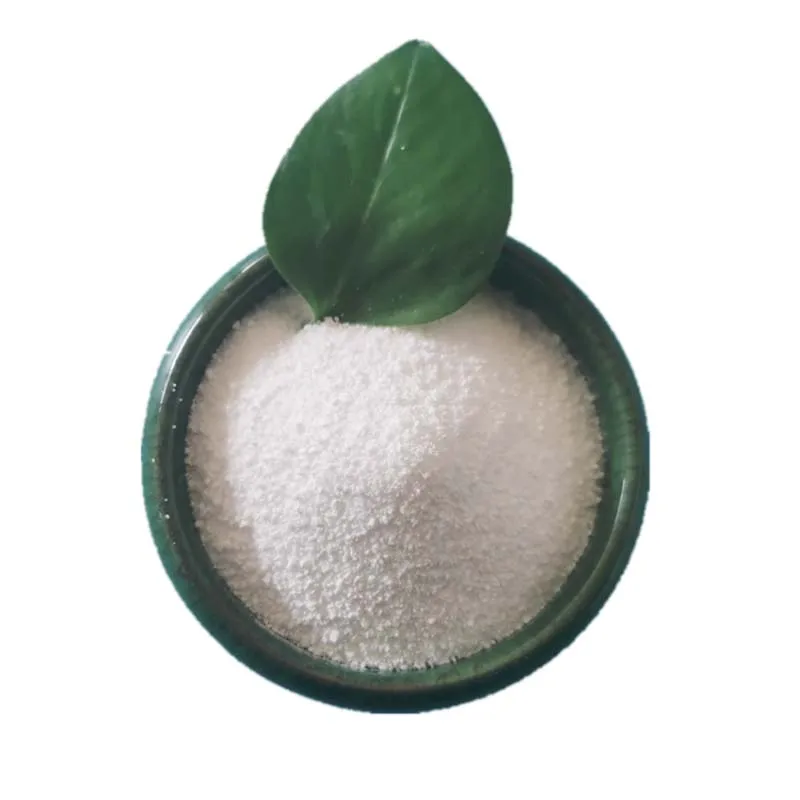
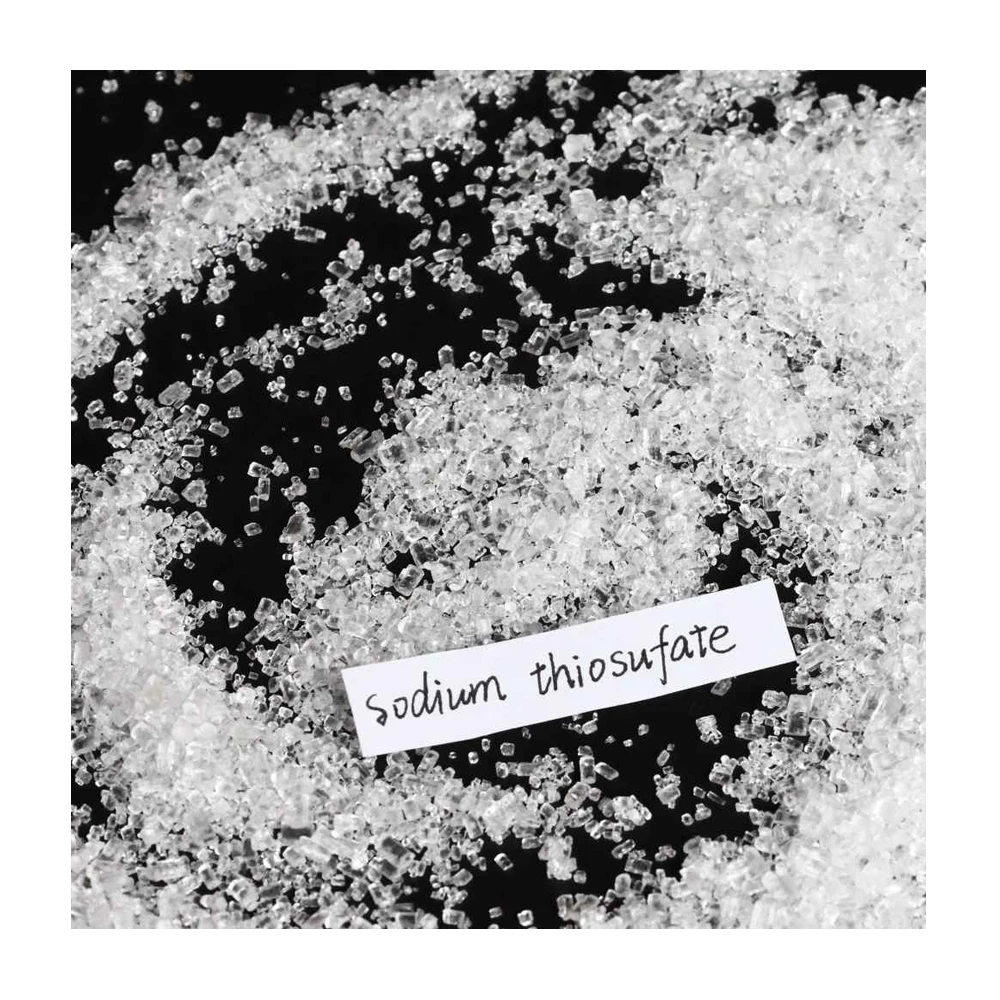
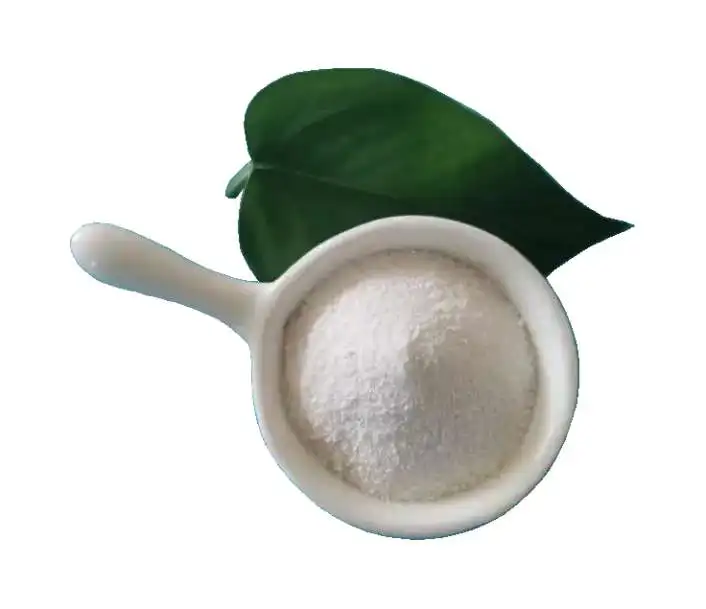
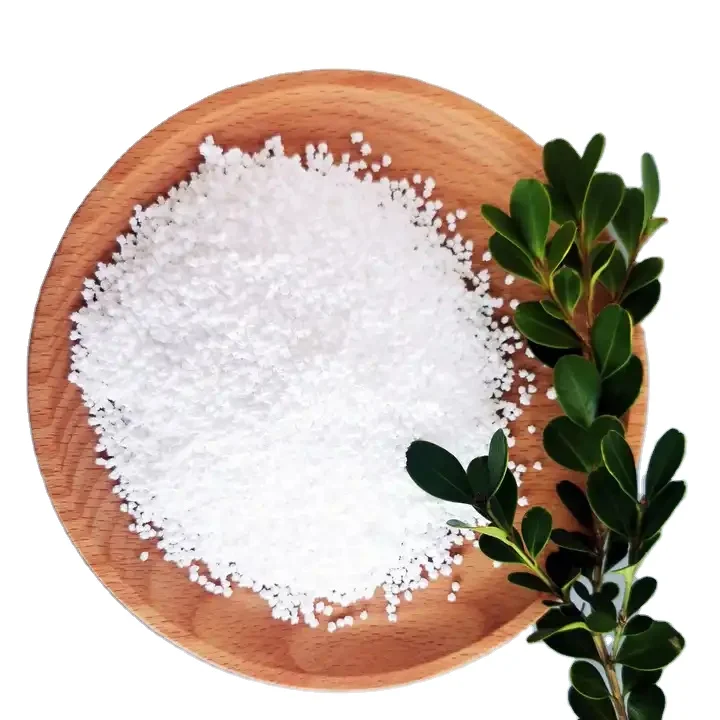
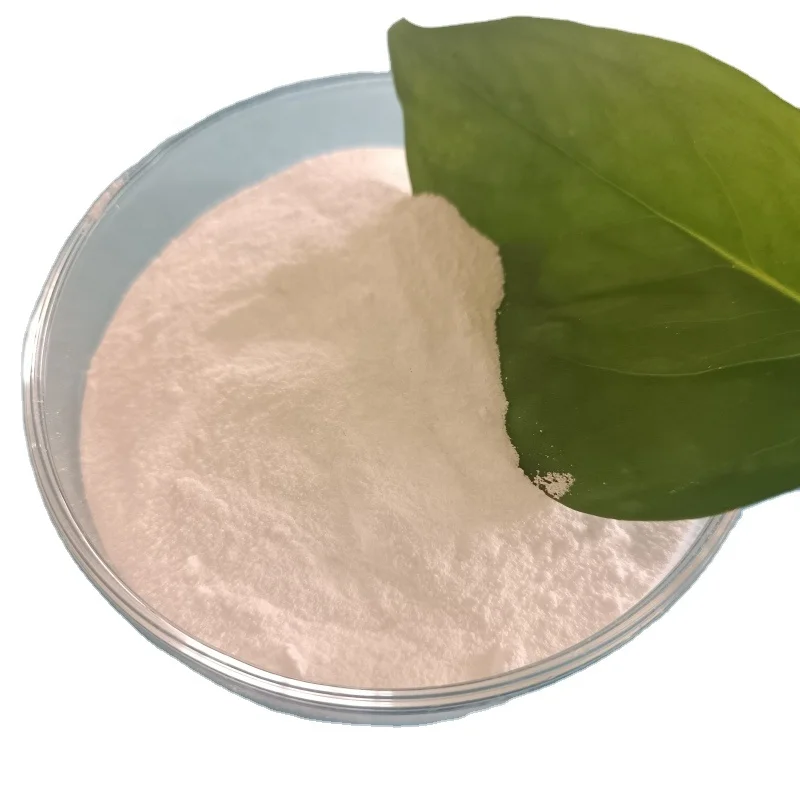
Sodium sulfite is a white powder, and is popular in many industries. It is special stuff and used in the preservation of food and the cleaning of water. In this lesson, we will go over what sodium sulfite is, how it's utilized, and its impact on the environment.
Sodium sulfite (Na2SO3) is a compound of sodium, sulfur, and oxygen. It’s been used in areas like paper making, textiles, and cleaning water. Sodium sulfite can be dissolved in water, so it can be mixed with other things. That makes it versatile for many tasks.
Sodium sulfite is utilized most in use because it reduces. In paper production it's used to whiten wood pulp and paper. In textiles, it is used to remove color from dyed fabric. It can also purify water by filtering out harmful agents.
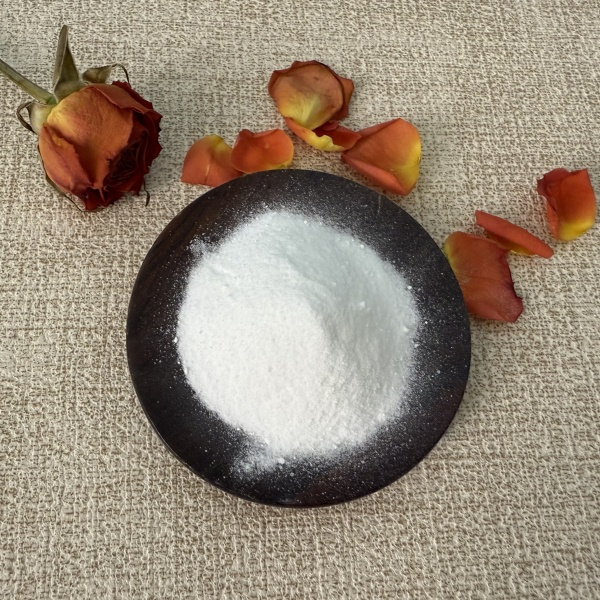
Sodium sulfite possesses certain chemical peculiarities which make it useful. It can donate electrons to other materials, a quality that can be useful in scrubbing away unsightly grime and impurities. Sodium sulfite is stable at high temperatures, allowing it to be used in areas that require high temperatures.
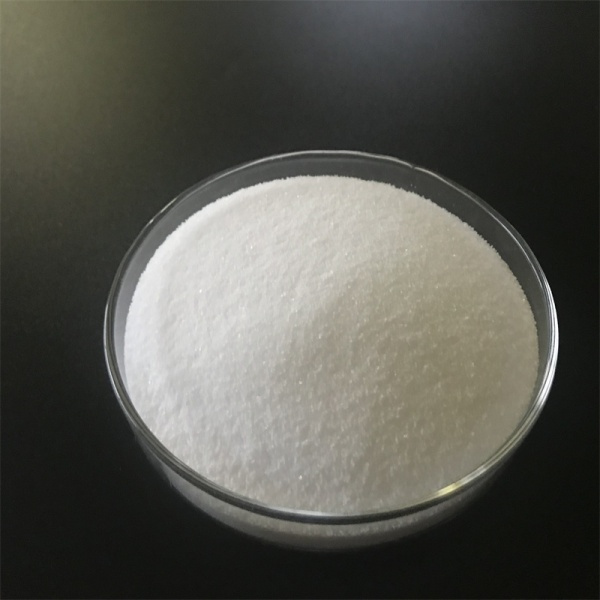
Sodium sulfite is critical in the preservation of food because it can prevent food from changing color and spoiling. It is frequently used in the food industry to help fruits and vegetables maintain a pleasing appearance. Preventing bacteria and mold The growth of bacteria and mold causes food to spoil, sodium sulfite halts this process. But some people are sensitive to sodium sulfite and should be cautious when eating foods containing it.
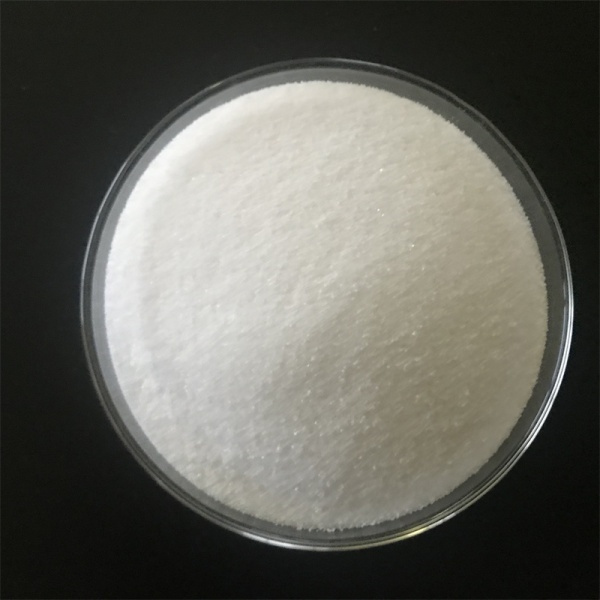
On one hand, sodium sulfite is great for cleaning water but on the other, sodium sulfite can also be bad for the environment if not used properly. It can also generate hazardous waste if used to clean water that can contaminate water supplies and harm fish and other wildlife. Using sodium sulfite for water treatment: 5 tips Here is a great reason to pay snakes for water treatment so that there is a more moderate impact on the environment from the use of sodium sulfite.
Bangze offers more than 30 products that meet the requirements more than 300 customers from chemical industry. Bangze is sodium sulfite na2so3the province of Shandong, which one of the biggest chemical regions China.
We have now a team of international trade professionals who have more than 15 years of experience. We are determined to continue our efforts to increase our presence in the international market. We sodium sulfite na2so3that we can develop good cooperative relations with Southeast Asia, Middle East, Africa, North America, South America, Australia and many other countries and regions.
Bangze offers services over 300 customers from around world exports than 90 sodium sulfite na2so3.
Our team dedicated to supplying you with top quality chemicals. sodium sulfite na2so3employee strictly on the job and accountable their daily work. truly hope that our technologies efforts will bring you a greater quality of work.

Copyright © Shouguang Bangze Chemical Co.,Ltd. All Rights Reserved
 EN
EN
 AR
AR
 NL
NL
 HI
HI
 JA
JA
 KO
KO
 RU
RU
 TL
TL
 IW
IW
 ID
ID
 LV
LV
 LT
LT
 VI
VI
 TH
TH
 TR
TR
 AF
AF
 MS
MS
 BN
BN
 EO
EO
 LA
LA
 MN
MN
 SO
SO


 ONLINE